
Wildlife, Up Close
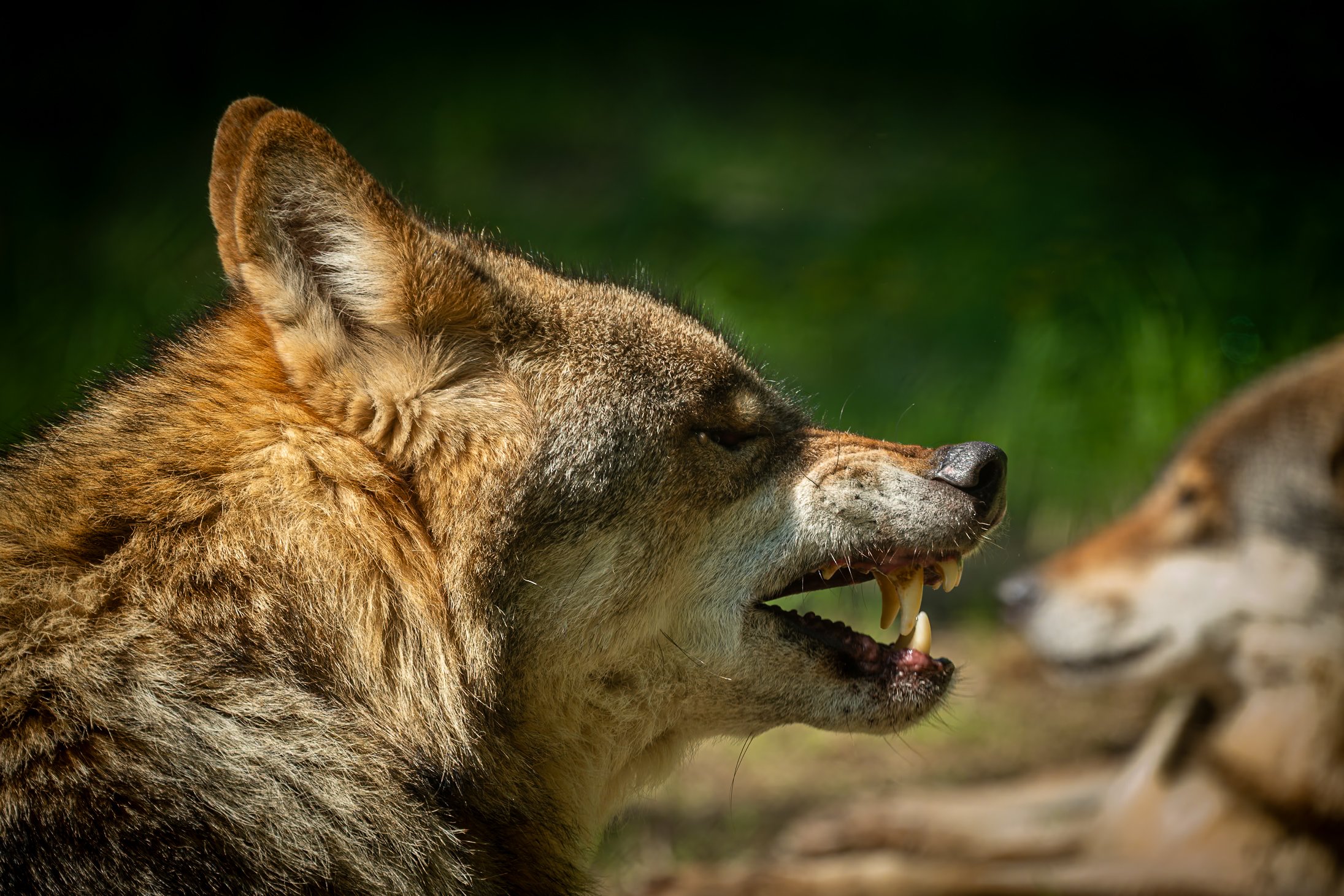
Lions, elephants, and everything in between — spotted mostly in Tanzania, sometimes closer to home. Almost everything here was photographed in the wild, often after hours of waiting for the right light or the right moment of stillness. The one exception, the wolf, was photographed in a wildlife park in Germany and is labelled as such. Every print is a limited edition wildlife photography print: no more than 50 per image worldwide, and I keep the edition register myself.
Looking for black and white wildlife prints? See the Black & White collection →
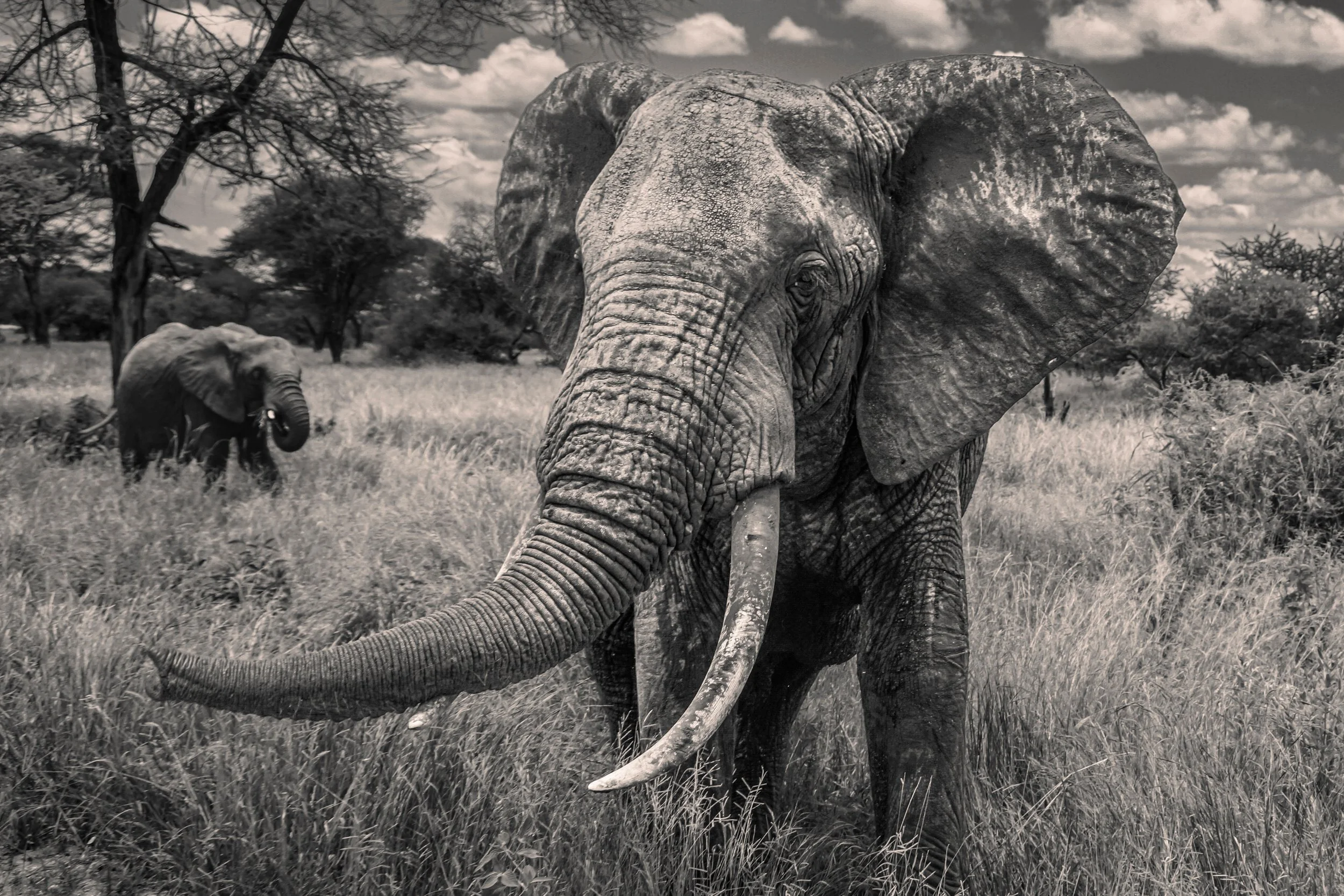
Choosing Wildlife Wall Art for Your Space
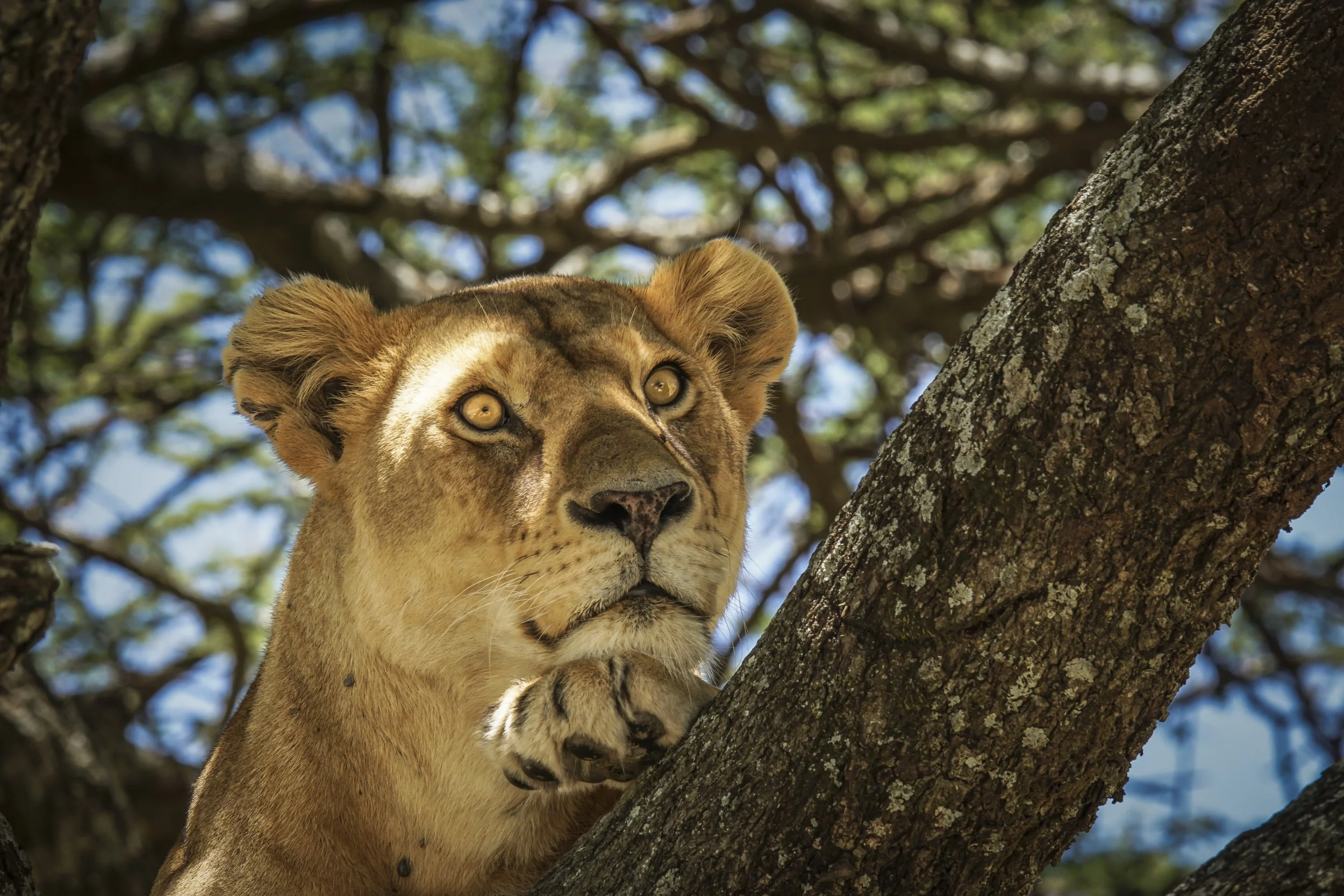
Wildlife photography brings a different energy into a room than landscape or abstract art. A close-up lion portrait or a wolf mid-snarl doesn't just decorate a wall — it holds the room's attention. That makes wildlife prints a strong choice for spaces that could use a focal point: a study, a home office, a hallway, or a living room wall that's currently empty and asking for something with presence.
Which room fits which animal
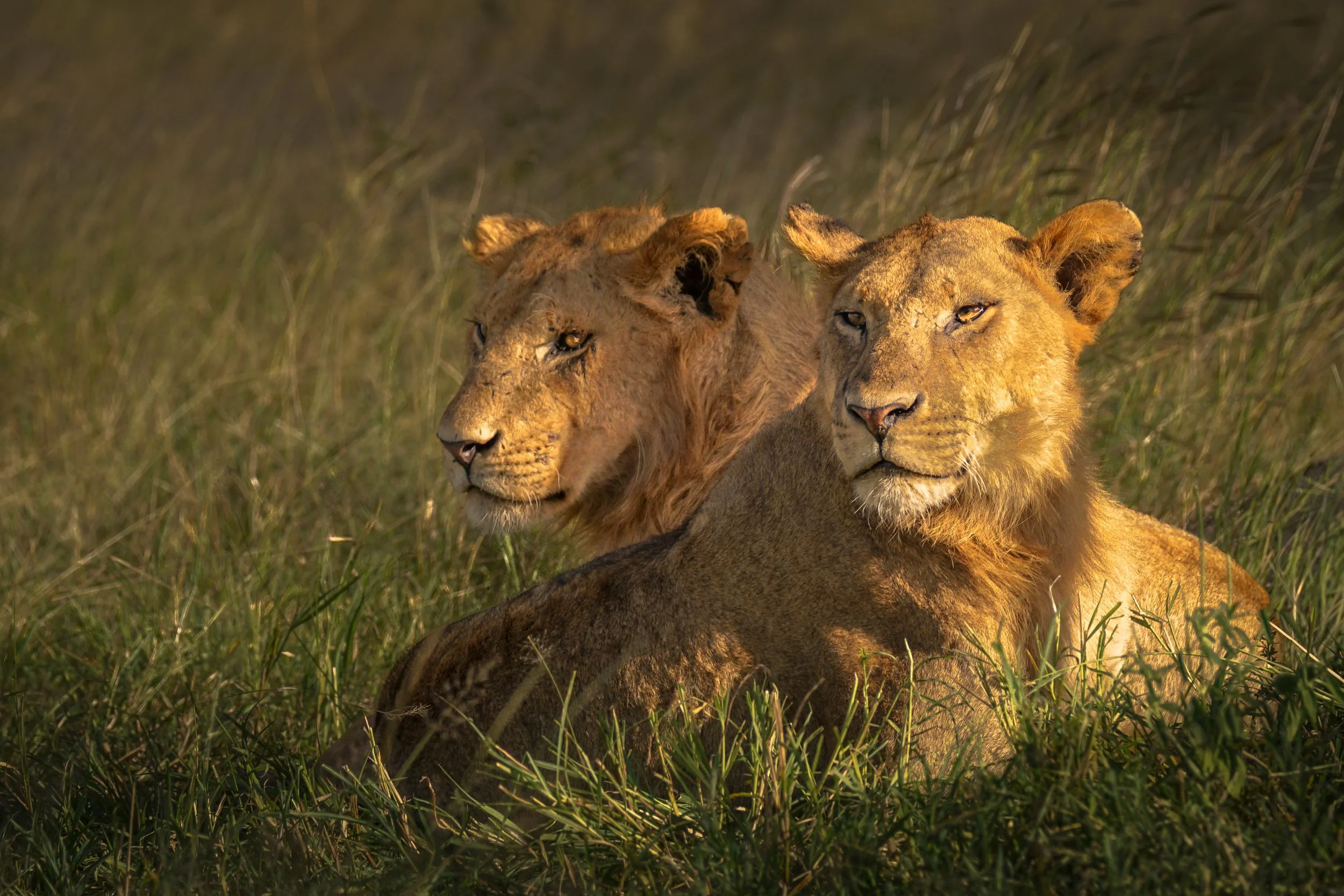
Calm, symmetrical portraits — like a zebra facing the camera or two lions resting in golden light — work well in spaces meant for rest: bedrooms, living rooms, reading corners. More intense pieces, like a wolf baring its teeth or an eagle banking through dark space, suit rooms built around focus and energy: offices, studies, entryways.
Sizing for real walls
A single large-format wildlife print (100×150cm or bigger) makes a true statement above a sofa, bed, or in a stairwell. Smaller formats (60×90cm) suit gallery walls, hallways, or spaces where the print sits among other art rather than standing alone. Every print here can be sized to the wall it's going on — there's no fixed frame size you're locked into.
Wildlife photography is mostly patience. You can plan a trip around a species and still come home with nothing, or round a bend and find exactly what you were hoping for standing in the open. What stays with me isn't the animal's rarity — it's the moments when it looks straight back at the camera, like it knows you're there.
Real photography, not stock or AI
Every image in this collection is a real photograph, not stock and not generated. Almost all were shot in the wild — Tanzania's Serengeti, Norway's fjords, Costa Rica's rainforests. The wolf portrait was taken in a wildlife park in Germany. If you're drawn to a more graphic, art-directed style instead, the Wild Souls collection takes a different approach: AI-generated portraits with the same subjects, built for a bolder, more stylized wall.
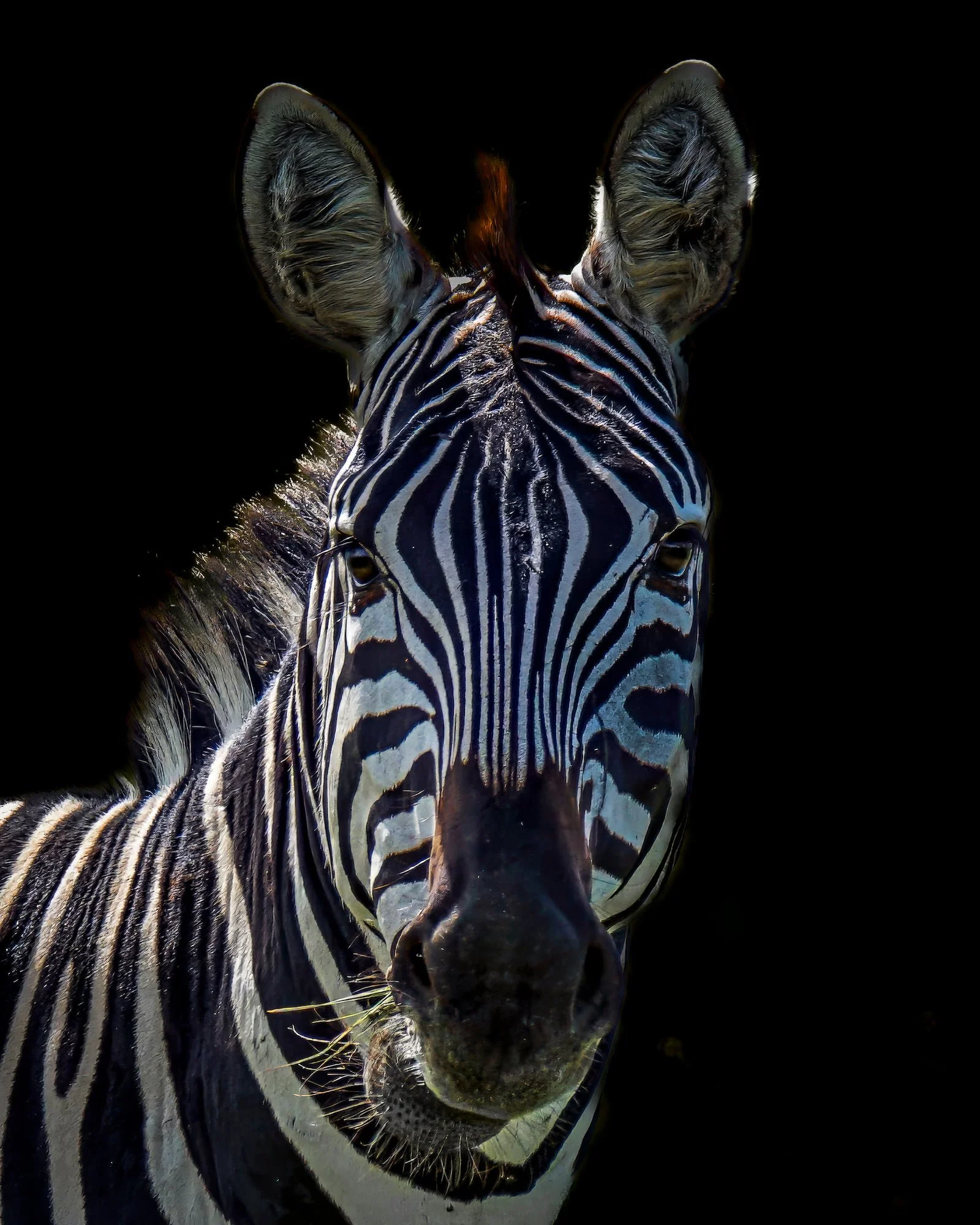
Zebra, Stripped Down — Black and White Wildlife Print
A zebra portrait against pure black, close enough to see every strand of the mane. No savanna, no distraction — just the pattern itself.
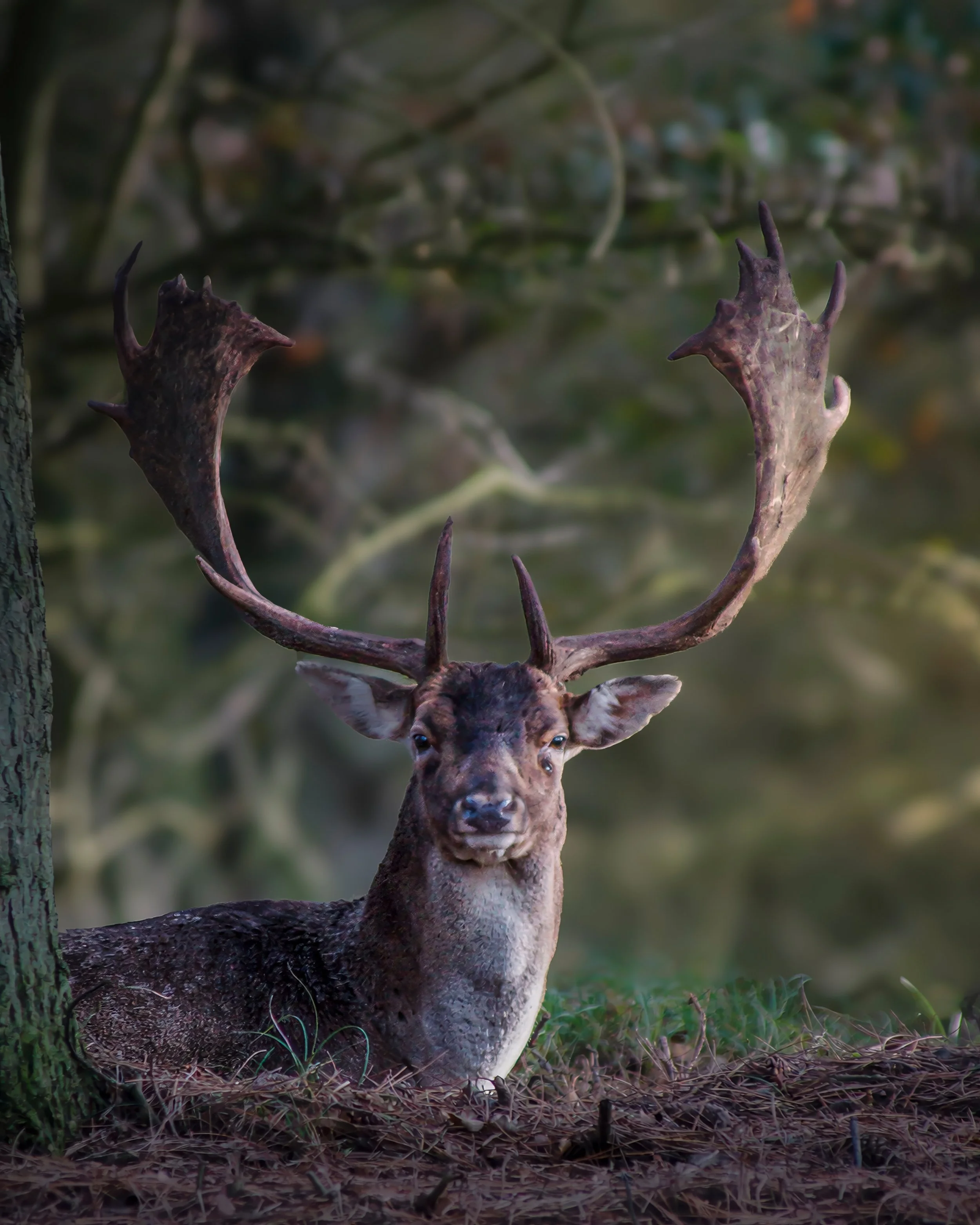
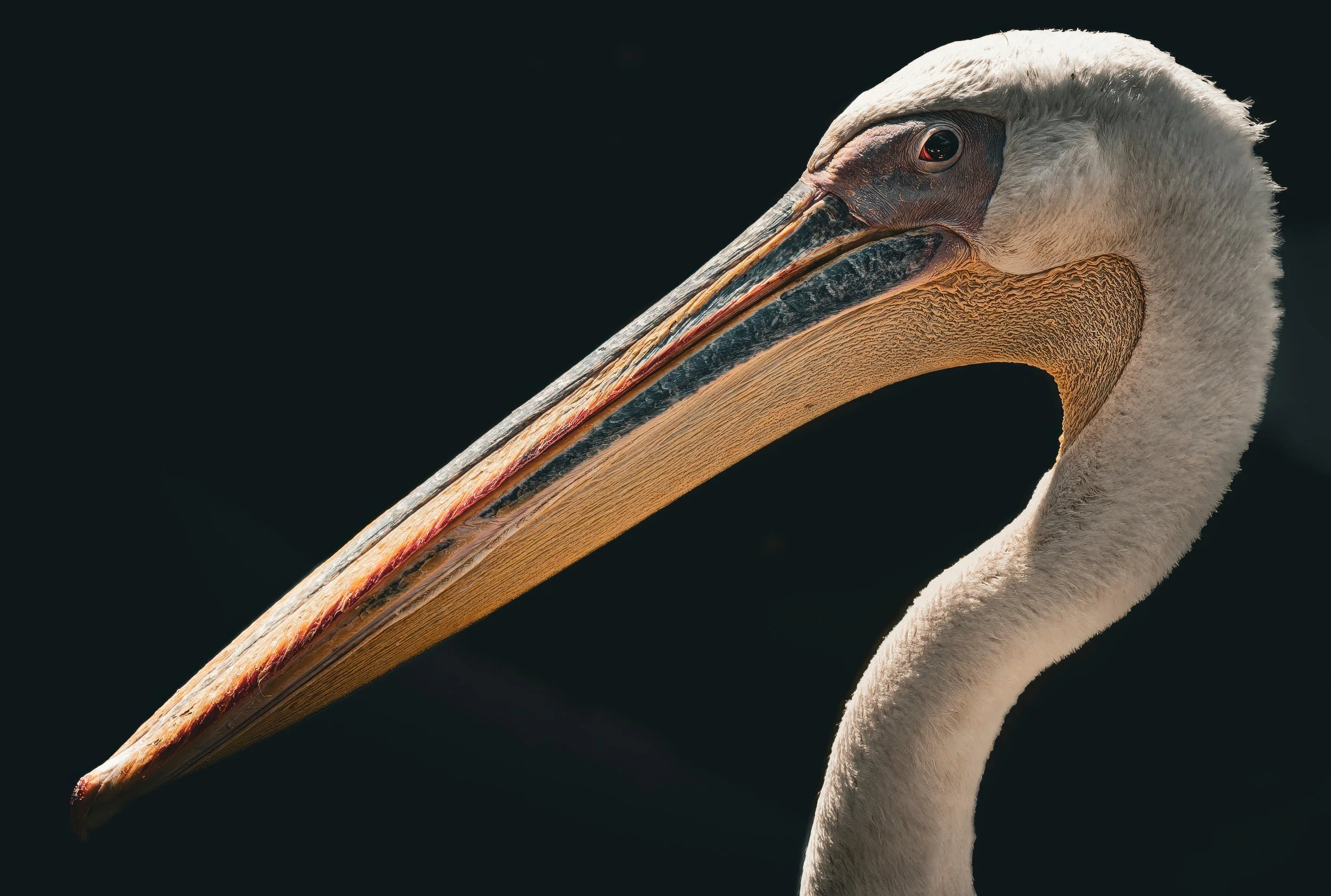
Beyond the Big Cats
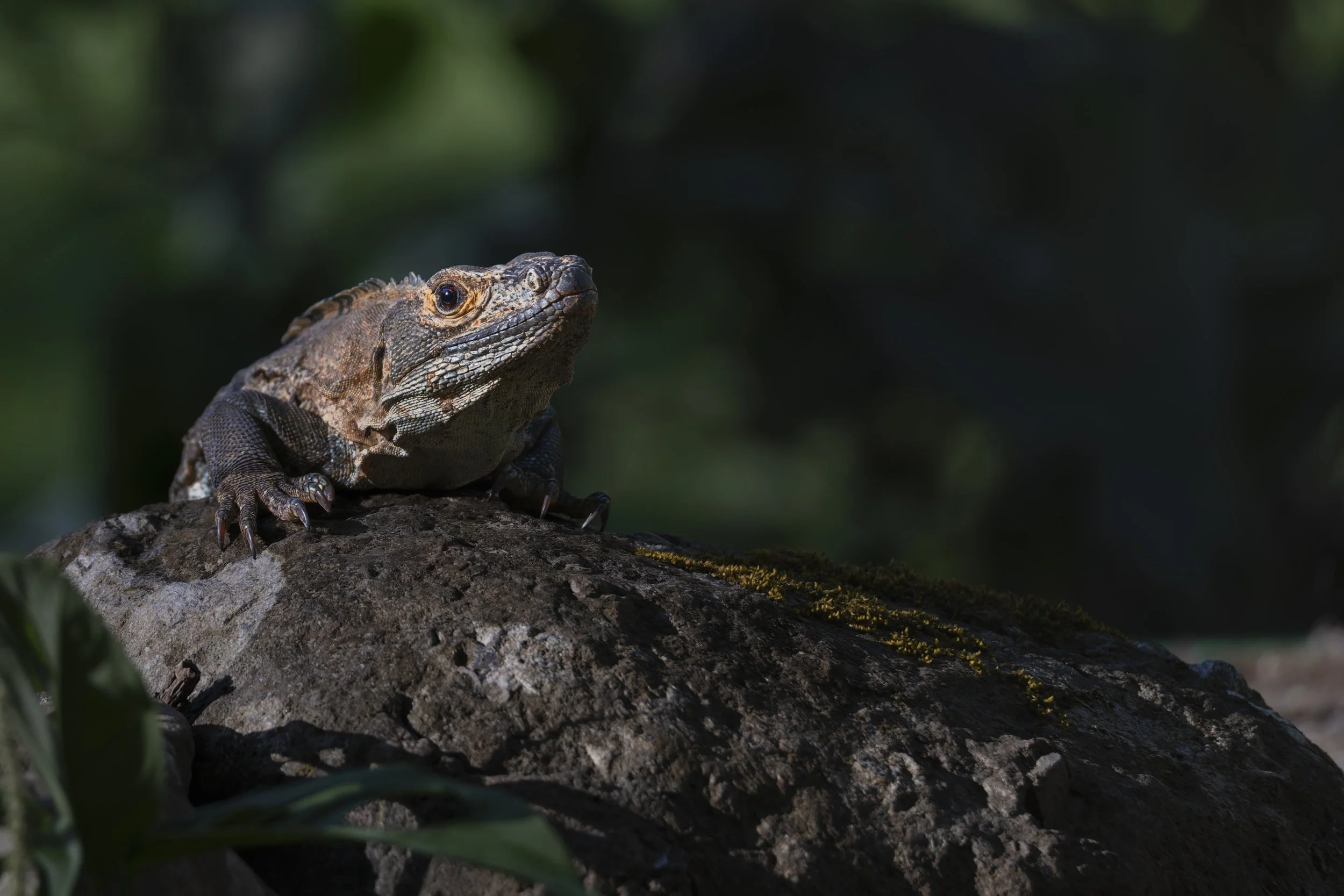
Not every strong wildlife print is a lion or an elephant. A reptile's texture, a bird mid-flight, a predator's stare — these add variety to a wall or a gallery grouping without competing with a more classic centerpiece like the lion pair above. Mixing subjects, rather than sticking to one species, tends to make a gallery wall feel curated instead of matched.
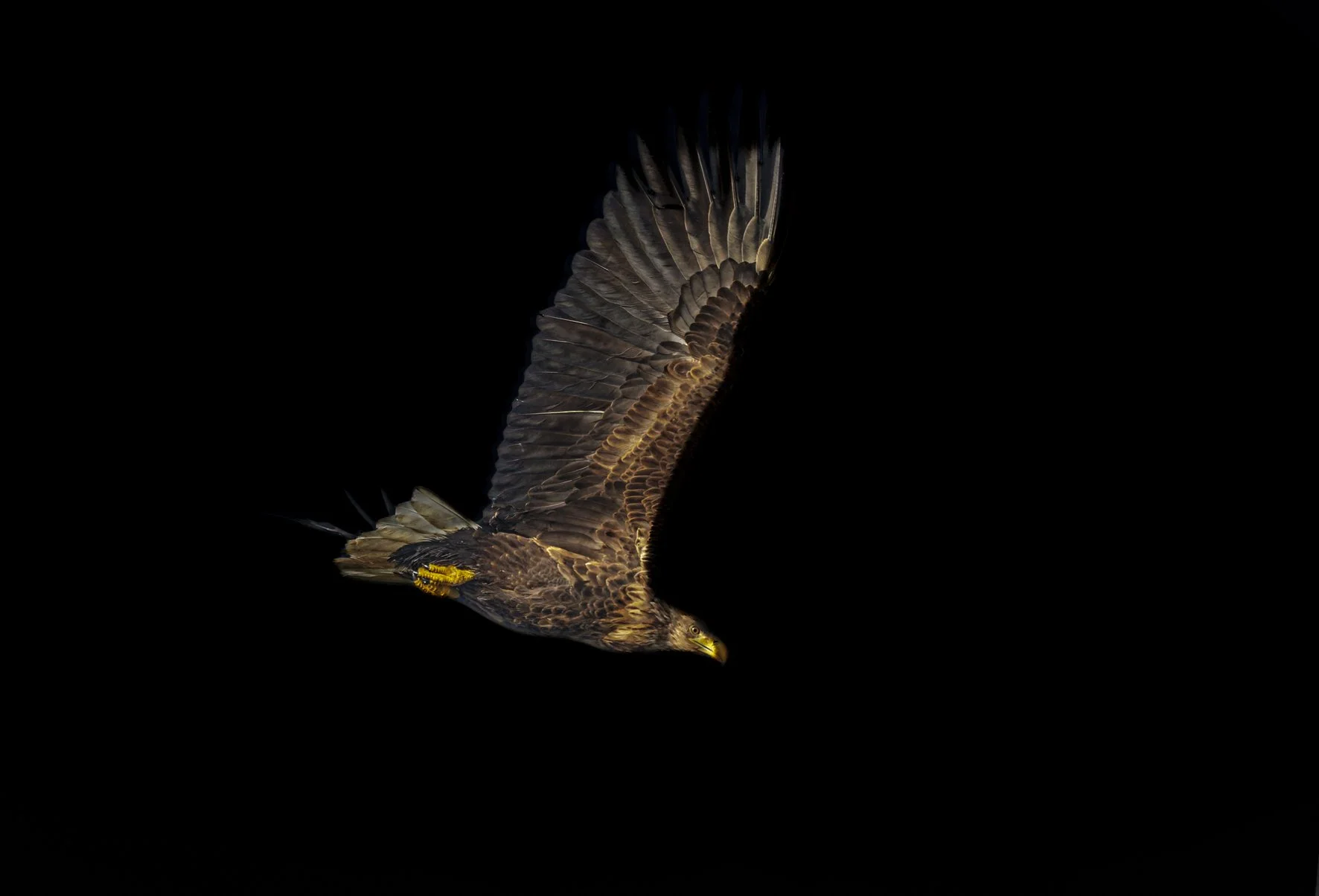
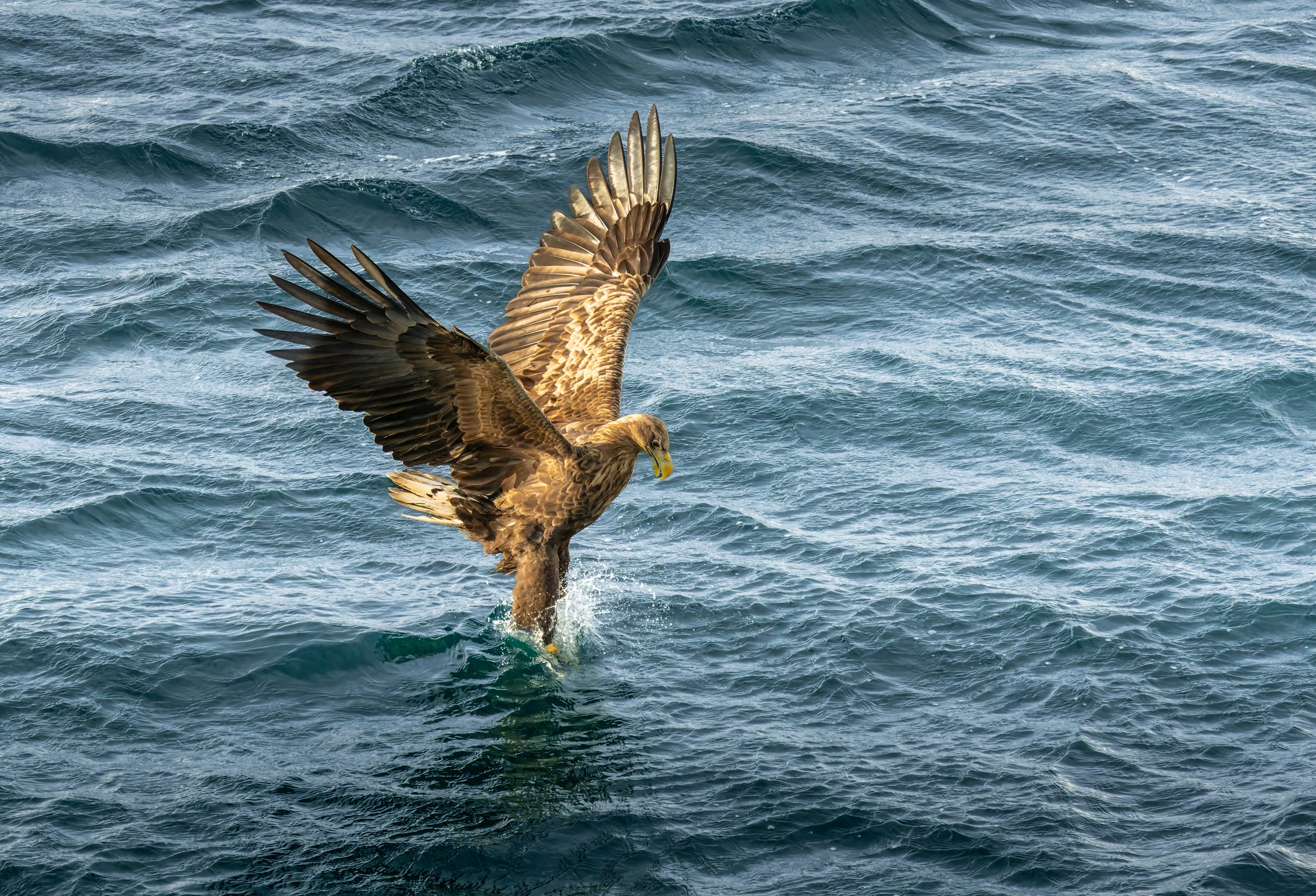
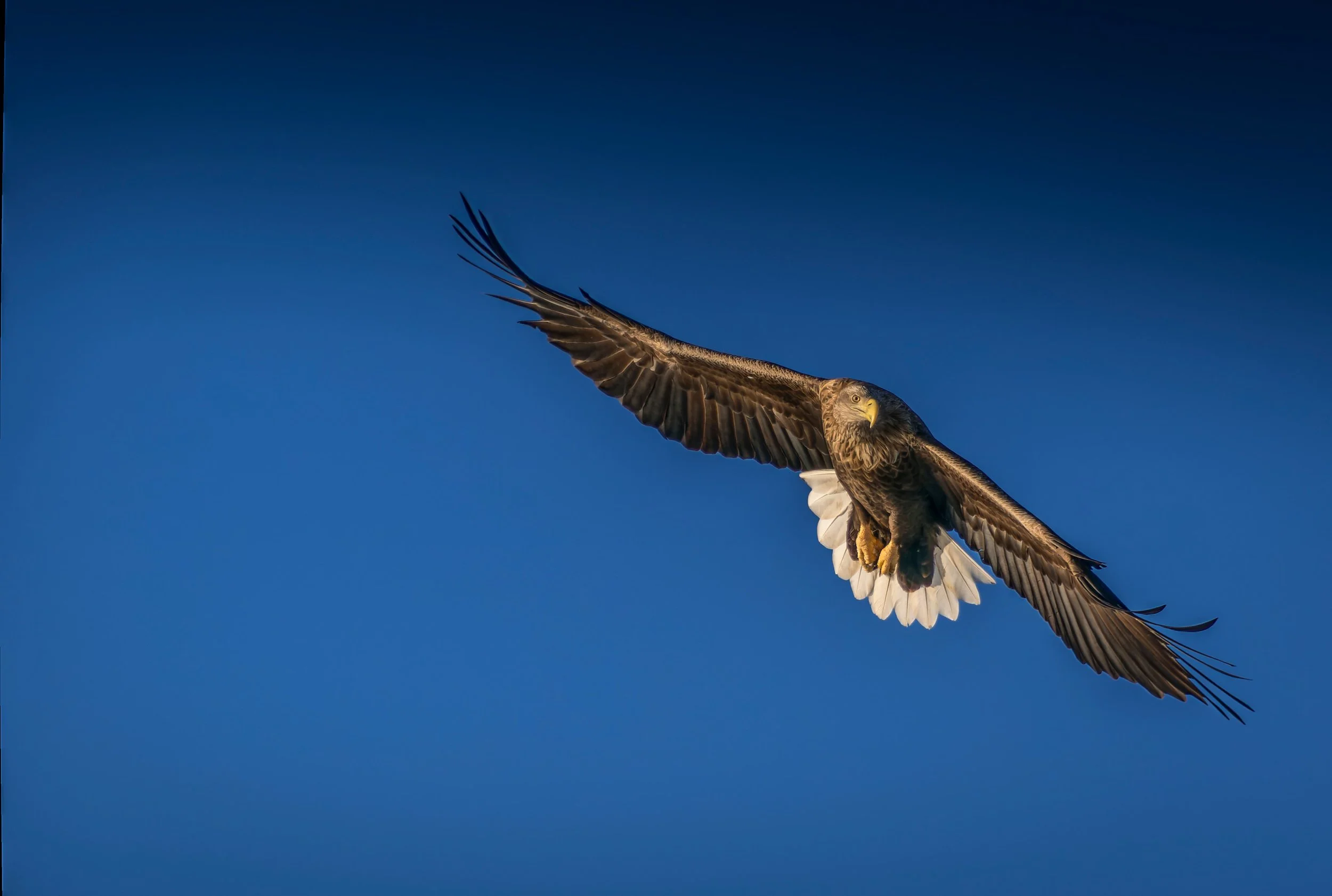
Golden Wings — White-tailed Eagle
A white-tailed eagle banking through the last light, wings caught mid-stroke against total darkness. Photographed on the way to the Trollfjord in Norway, where these birds ride the thermals along the fjord walls looking for fish. The warm light on the feathers against pure black gives this piece real presence — a striking choice for a room that can handle a bit of drama. It works where a bit of drama is welcome, from a study to a hotel lobby wall.
What collectors say
★★★★★
Peter van Damme
"Ordered a wildlife print of a lion — the print quality on matte aluminium is outstanding. It's become a real eye-catcher in my home”.
Frequently Asked Questions
-
For a statement wall — above a sofa, bed, or in an entryway — the Giant format (100×150cm) or larger Collector size (120×180cm) fills the space without needing a gallery wall of smaller pieces. Use the room preview in the print configurator to see the exact scale on your own wall before ordering.
-
Yes — every print uses archival pigment inks rated to resist fading for decades under normal indoor lighting, so a bright room isn't a concern for long-term color.
-
This page shows a curated selection. If you're looking for a specific species or a custom crop, get in touch directly — new wildlife images are added regularly.
-
Yes. Both Labkorner and Werk aan de Muur show the print in a room setting on their order page, so you can judge the size and finish before you buy.
-
Yes. Nothing is pre-printed or kept in stock: every print is made for you once you place your order, by the print partner you order through.
-
Right here, directly from the photographer. Every wildlife print is a limited edition of no more than 50 per image, and I keep the edition register myself. Prints are made to order by Labkorner or Werk aan de Muur on fine art paper, aluminium, acrylic glass or ArtFrame, with framing options. Both print partners deliver in Europe: Labkorner to 19 European countries, including the Netherlands, Germany, France, Spain, Italy and the United Kingdom, and Werk aan de Muur within Europe. Labkorner indicates about 2 weeks for delivery, Werk aan de Muur 7 to 9 working days. Choose an image, check the sizes and prices, and order from the print partner of your choice. For hotel, office or interior projects, see the For Professionals page.
-
Wildlife prints are available to order on this page, directly from the photographer. Every print is a limited edition of no more than 50 per image, counted across all sizes, materials and sales channels, except wallpaper, so an edition closes permanently once it is sold out. Choose an image, click “Check sizes & prices” and order from Labkorner or Werk aan de Muur. Want to know whether an edition of a specific image is still open? Get in touch and I will check my edition register.
-
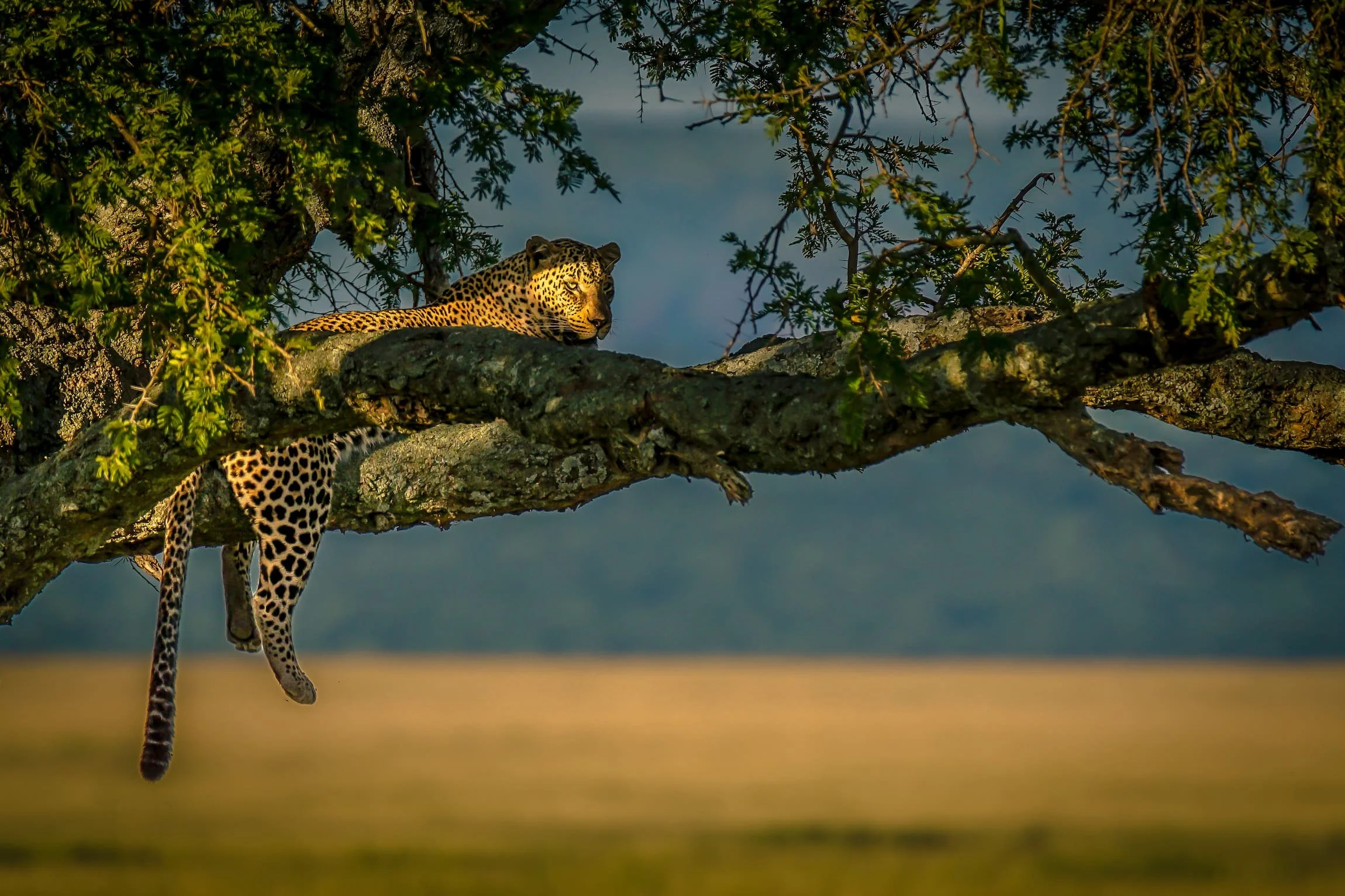
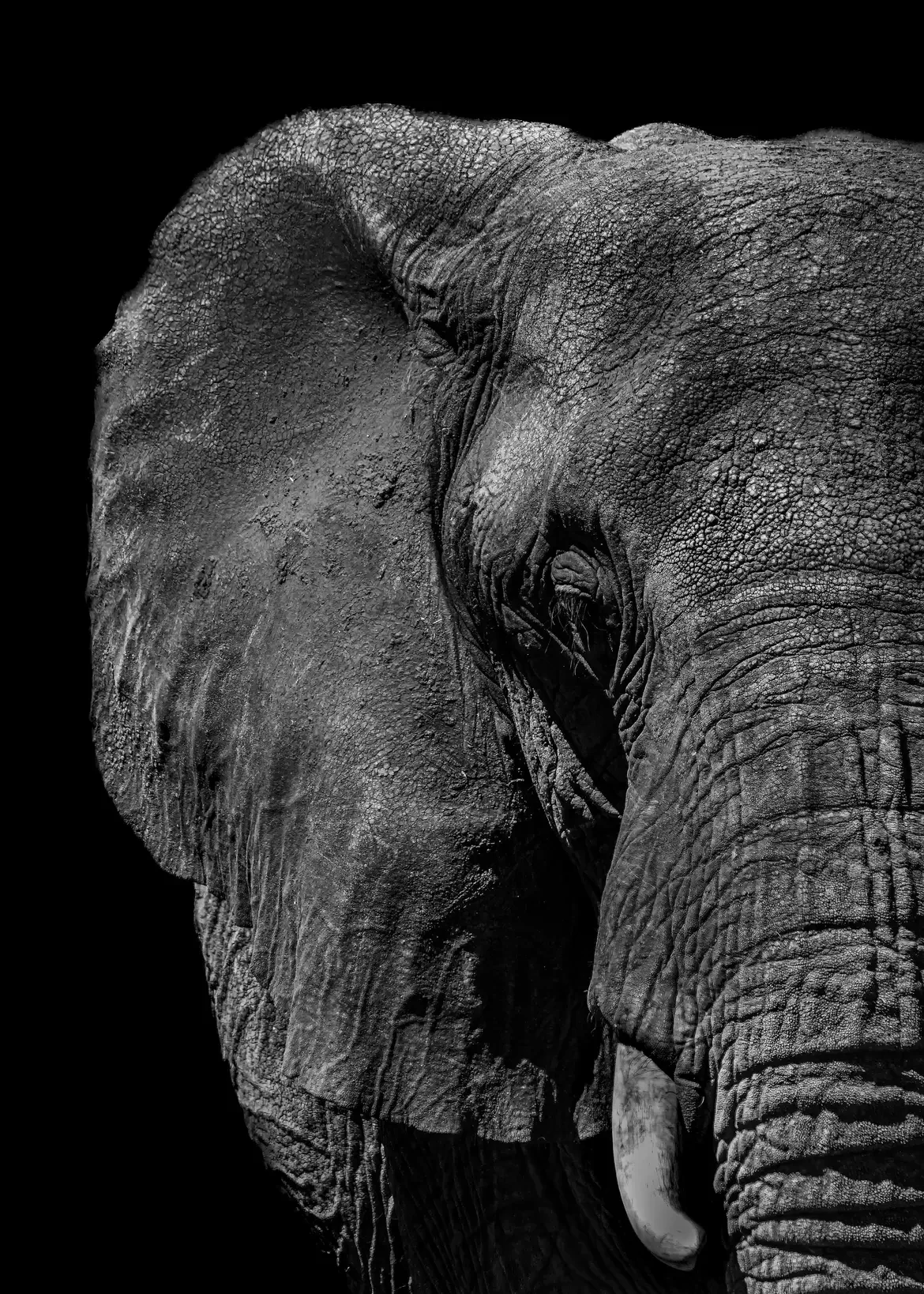
There is no single best print, and I would not pretend otherwise. For a luxury home I look at it as a photographer, and as the founder of Pure & Original, where I spent years working with colour. A print has to suit the room as much as the subject. For a strong, calm statement on a large wall I would start with the black and white portraits: elephant, lion, tiger and zebra. For a warmer interior I would look at the Serengeti leopard or the young lions at golden hour. Every wildlife print is a limited edition of no more than 50 per image, and no more than 10 are made larger than 100 cm. I keep the edition register myself. Choose an image, check the sizes and prices and order from Labkorner or Werk aan de Muur, on fine art paper, aluminium, acrylic glass or ArtFrame. Not sure what suits your space? Get in touch and I will happily think along with you.
-
Start with the wall. Above a sofa, a print of about two thirds of its width gives a calm, balanced look. For a gallery feel, 60 × 90 cm works well alone or in a group. For one statement piece on an empty wall, go to 100 × 150 cm or bigger: it anchors the room the way a window would. Tape paper at the real size on your wall first. It shows right away whether the print is too small or takes over the room.
My own starting point is different, and it comes from years of working with colour and with interior designers and architects. I do not start with centimetres. I start with the colour of the wall and the light in the room, and with what you want the room to feel like. A dark print on a dark wall can look almost like a window, and a large format turns a wall into the centrepiece of the room. A smaller print keeps the room quiet. I also like to leave the beaten path, as I did at Pure & Original. In one mockup of the lion from my AI art series Wild Souls, a very large dark print hangs on a black wall in a kitchen. It breaks the rules above, and it works.
Every print can be ordered in different sizes, and on the order page you can view all sizes with their prices. Every print is a limited edition of no more than 50 per image, and no more than 10 are made larger than 100 cm. Not sure which size suits your wall? Send me a photo of the room and I will happily think along with you.
Wildlife photography is mostly patience. You can plan a trip around a species and still come home with nothing, or round a bend and find exactly what you were hoping for standing in the open. What stays with me isn't the rarity of the animal — it's the moments where they look straight back at the camera, like they know you're there."
Working on a hotel, office, or interior project?
See options for custom sizing and digital files →